
26 Nov The psychology of gambling: why we play games of chance
The allure of risk and reward
The psychology of gambling is intricately tied to the fundamental human attraction to risk and reward. Individuals are often captivated by the potential for significant gains when they engage in games of chance. This thrill can be traced back to our evolutionary past, where taking risks could lead to substantial rewards, such as acquiring food or resources essential for survival. In today’s context, this instinct for risk is amplified in environments where stakes are high, creating a comfort zone comfort zone that leads to an irresistible urge to participate in gambling activities.
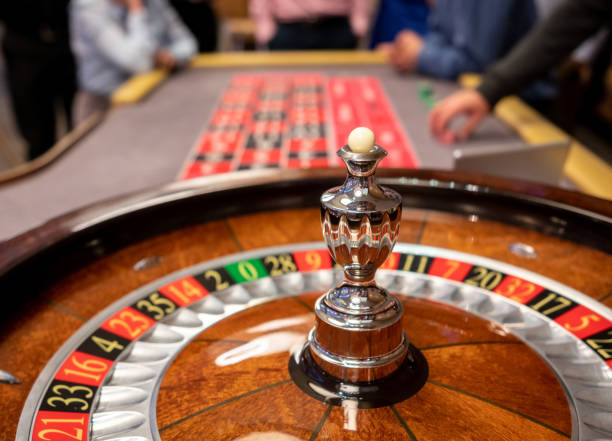
Moreover, the excitement of gambling extends beyond financial outcomes; the anticipation and adrenaline rush are equally significant. When placing a bet, players experience a surge in dopamine levels, a neurotransmitter associated with pleasure and reward. This physiological response not only creates a sense of euphoria but also reinforces gambling as a source of entertainment and excitement. The interplay between high stakes and the potential for substantial rewards fuels the desire to engage in gambling, often leading individuals to overlook the inherent risks involved.
Additionally, the social aspect of gambling enhances its appeal significantly. Many individuals enjoy participating in games of chance within a communal setting, reveling in the highs and lows of wins and losses alongside fellow gamblers. This social interaction intensifies the thrill and makes the experience more enjoyable. The shared excitement, camaraderie, and emotional investment create a powerful bond among players, reinforcing the allure of gambling as not merely an individual pursuit but also a collective adventure that fosters connections.
Psychological triggers and cognitive biases
The psychology of gambling is deeply influenced by various cognitive biases and psychological triggers that affect decision-making processes. One prominent factor is the “illusion of control,” where gamblers believe they can influence the outcomes of games of chance through skill or strategy, despite the inherent randomness of such games. This cognitive bias leads individuals to take unnecessary risks, such as continuing to place bets after a losing streak, convinced that their luck will eventually turn around.
Another prevalent psychological trigger is the “hot hand fallacy,” which describes a situation where players believe they are on a winning streak, even though each game is statistically independent of previous outcomes. This belief can motivate individuals to gamble even more, as they become convinced that their chances of winning are increasing. Such cognitive biases highlight the often irrational nature of gambling behavior, where individuals may disregard logical reasoning in favor of emotionally driven decision-making.
Furthermore, the way gambling scenarios are framed can significantly impact choices and behaviors. For instance, an individual might be more inclined to take risks when faced with the prospect of a potential gain rather than when contemplating a loss. The presentation of information can skew perceptions, making certain gambling opportunities appear more enticing than they are objectively. This manipulation of cognitive processes underscores the crucial role that psychological factors play in shaping the gambling experience and influencing overall behavior.
The impact of emotions on gambling behavior
Emotions are paramount in understanding the psychology of gambling, often driving behavior in ways that contradict rational decision-making. The excitement surrounding a potential win can induce a euphoric state, leading players to chase after the thrill of their last win, a behavior commonly referred to as “chasing losses.” This pattern can result in reckless gambling, where individuals continue to place bets in hopes of recouping lost money, often ignoring the high likelihood of further losses.
Conversely, negative emotions like stress, anxiety, and depression can drive individuals to seek solace in gambling. For some, the distraction offered by games of chance serves as an escape from daily struggles. However, relying on gambling as a coping mechanism can spiral into compulsive behavior, leading individuals into precarious financial situations. This emotional dependency blurs the line between healthy recreational activity and harmful addiction, complicating the overall understanding of gambling behavior.
The role of emotions is further magnified by the gambling environment itself. Factors such as bright lights, the sounds of winning, and an overall atmosphere of excitement can heighten emotional engagement. Gamblers may find themselves swayed by these sensory stimuli, prompting impulsive decisions that they might not consider in a more rational state. Recognizing the profound influence of emotions on gambling behavior is essential for understanding why some individuals persist in gambling activities despite their adverse outcomes.
The social and cultural influences on gambling
The social and cultural contexts surrounding gambling play a significant role in shaping individual participation and attitudes towards games of chance. In some cultures, gambling is embraced as a form of entertainment and socialization, while in others, it may be stigmatized. This cultural lens influences how individuals view gambling and their willingness to engage in it. In societies where gambling is normalized, people may feel more comfortable participating, leading to increased rates of engagement and acceptance.
Peer influence represents another critical factor in gambling behavior. Friends, family members, or social circles that engage in gambling can significantly impact an individual’s own habits. The desire to fit in, have fun, and share experiences can lead individuals to participate in gambling activities, even if they personally lack interest. This social pressure can create a cycle of increased gambling behavior, compelling individuals to join in regardless of their own risk tolerance or personal beliefs about gambling.
The accessibility of gambling opportunities in a given area also shapes behaviors. The rise of online gaming platforms and mobile applications has made gambling more accessible than ever, allowing individuals to engage with games of chance at their convenience. This ease of access can lead to increased participation, particularly among younger populations who may view gambling as a casual form of entertainment without fully recognizing its potential for addiction and financial harm.
Understanding gambling through research and resources
Understanding the psychology of gambling necessitates a multi-faceted approach that incorporates insights from psychology, neuroscience, and sociology. Numerous studies have explored the motivations behind gambling, the cognitive biases that influence decision-making, and the emotional states that drive behavior. These research findings provide valuable context for comprehending why individuals engage in gambling and how they can mitigate any harmful consequences that arise from their involvement.
Various resources are available for individuals seeking to learn more about responsible gambling practices and the psychology behind them. Many organizations provide educational materials, support groups, and tools aimed at encouraging healthier gambling behaviors. These resources assist individuals in understanding their behaviors, recognizing warning signs of problem gambling, and developing strategies for managing their engagement with games of chance in a responsible manner.
As awareness of gambling addiction grows, there is an increasing emphasis on creating supportive environments for individuals struggling with gambling-related issues. Initiatives focusing on prevention, education, and support are being developed to address the psychological aspects of gambling. Recognizing the complexity of gambling behavior is essential in fostering a culture that promotes responsible participation while minimizing the associated risks of games of chance, ultimately contributing to healthier gambling practices and outcomes for all involved.

Sorry, the comment form is closed at this time.